
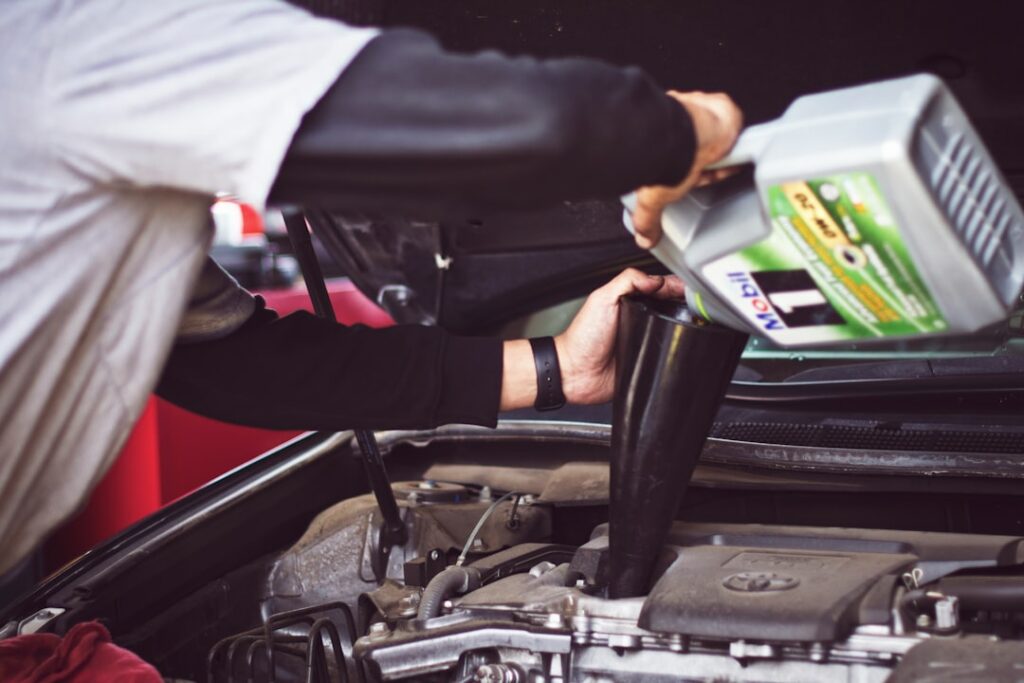
Engine oil is the lifeblood of your vehicle. Choose the wrong type, skip an oil change, or ignore a failing oil filter — and you’re looking at serious (and expensive) engine damage. This guide covers everything you need to know about engine oil, oil filters, fuel systems, and engine fluids so you can keep your car running strong for the long haul.
Table of Contents
Understanding Engine Oil Types
Not all engine oils are created equal. Using the wrong viscosity or oil type for your vehicle can reduce performance, increase wear, and shorten your engine’s life. Here’s what you need to know before you buy.
Synthetic vs Conventional vs High Mileage Oil
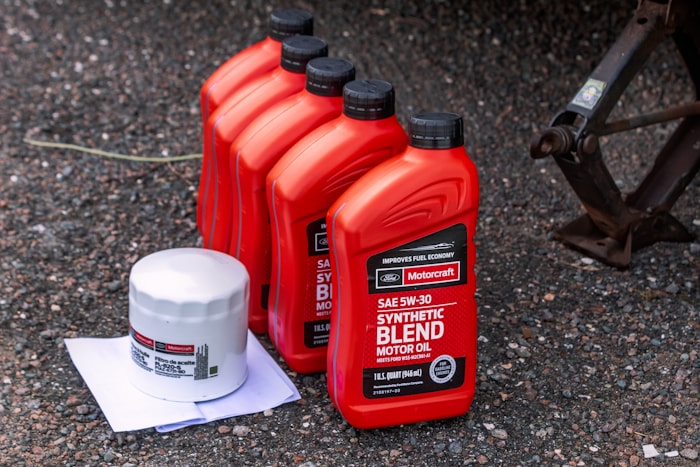
The first decision every car owner faces is whether to use conventional, synthetic, or high mileage oil. High mileage oil vs synthetic oil is one of the most common debates — synthetic oil offers superior protection and longer change intervals, while high mileage blends include seal conditioners that help older engines with minor leaks. For most modern vehicles, full synthetic is the best choice.
If you’re wondering whether to use synthetic oil in a high mileage car, the answer is generally yes — especially if your engine has over 75,000 miles. And does synthetic oil break down? It does eventually, but much more slowly than conventional oil, which is why it supports longer change intervals.
Oil Viscosity Grades: Which One Does Your Engine Need?
Oil viscosity grades like 5W30, 5W20, and 0W20 tell you how the oil flows at different temperatures. Getting this wrong can cause excessive wear or poor cold-start protection. Here’s what the common grades mean for your engine:
- Can you mix 5W20 and 5W30? — Mixing is possible in a pinch, but not recommended long-term as it changes the oil’s intended viscosity profile.
- Can you use 5W30 instead of 0W20? — Only if your manufacturer allows it. 0W20 is thinner and designed for fuel efficiency in modern engines.
- Can you put 10W30 in a 5W20 engine? — Generally not advised; the thicker oil can reduce fuel economy and strain the engine at startup.
- 20W50 oil disadvantages — This heavy grade is only appropriate for high-temperature climates or older engines with wear; it’s too thick for most modern vehicles.
- Can you mix 5W30 and 5W40 oil? — Acceptable as a temporary measure but not ideal; stick to one grade when possible.
Mixing Oil Types: What’s Safe and What Isn’t
Running out of oil on the road and need to top off? Here’s what’s actually safe:
- Can you mix synthetic oil with regular oil? — Yes, they’re compatible, but you lose the benefits of full synthetic.
- Can you mix fully synthetic with semi-synthetic oil? — Yes, this is safe as a short-term fix.
- Can you mix 5W20 and 5W30? — Technically yes, but aim to drain and refill with the correct grade as soon as possible.
Oil Filters: The Unsung Hero of Engine Protection
Your oil filter removes contaminants from the oil before they can wear down engine components. A clogged or low-quality filter defeats the purpose of even the best synthetic oil.
How Often Should You Change Your Oil Filter?
Most mechanics recommend changing your oil filter every time you change your oil. But the interval depends on the filter type and your driving conditions. How often to change your oil filter breaks down the mileage vs time debate — and why skipping a filter change even once can cost you.
Using a performance filter like the K&N? K&N oil filters can go 10,000–15,000 km between changes, but you still need to inspect them regularly. And if you’re wondering how long oil filters last in storage — they can degrade over time due to rubber seal degradation, so don’t use filters that have been sitting for years.
Signs Your Oil Filter Is Failing
A failing oil filter doesn’t always announce itself dramatically. Watch for these warning signs covered in our bad oil filter signs guide: decreased oil pressure, a ticking engine noise after startup, dirty exhaust, or the oil pressure warning light flickering on. And yes, more expensive oil filters are generally worth it — premium filters use better media that traps smaller particles and holds more contaminants before bypassing.
One important brand question: who makes Toyota oil filters? Toyota OEM filters are actually made by Denso and Toyo Roki — both excellent choices if you drive a Toyota or Lexus.
Common Oil Problems and What They Mean
Oil in the Wrong Places
Finding oil where it shouldn’t be is always a red flag. Here’s what each situation means:
- Oil on spark plugs — Usually indicates worn valve stem seals or piston rings. Don’t ignore this; it leads to misfires and catalytic converter damage.
- Oil in spark plug well — Typically caused by a leaking valve cover gasket. An easier and cheaper fix than piston rings.
- Oil fouled spark plugs — When plugs are soaked in oil, they misfire and fail to ignite fuel properly. Replace the plugs and fix the source of the leak.
- Oil in the intercooler — Often caused by a failing turbocharger seal or excessive blow-by. Can be normal in small amounts but worth investigating if significant.
- Metal shavings in oil — One of the most serious findings. Small amounts after a rebuild can be normal, but ongoing metal contamination means internal engine wear that needs immediate attention.
What Happens When Oil Levels Are Wrong
Both too much and too little oil cause serious damage. Too much oil in your car can cause foaming, which reduces lubrication efficiency — the opposite of what you want. On the other end, how long can an engine run without oil? Not long — without oil pressure, metal-on-metal contact starts causing permanent damage within seconds to minutes.
If you notice your oil pressure sensor is acting up, don’t assume it’s just a sensor issue — a bad reading could be masking a genuine low oil pressure problem that will destroy your engine if ignored.
After an Oil Change: Burning Smells and Other Issues
A burning smell after an oil change is more common than you’d think. It usually means oil was spilled on the exhaust manifold during the change. It should burn off within a few minutes of driving — but if the smell persists, check for leaks around the drain plug and filter.
Fuel System Health: Injectors, Fuel Pumps & More
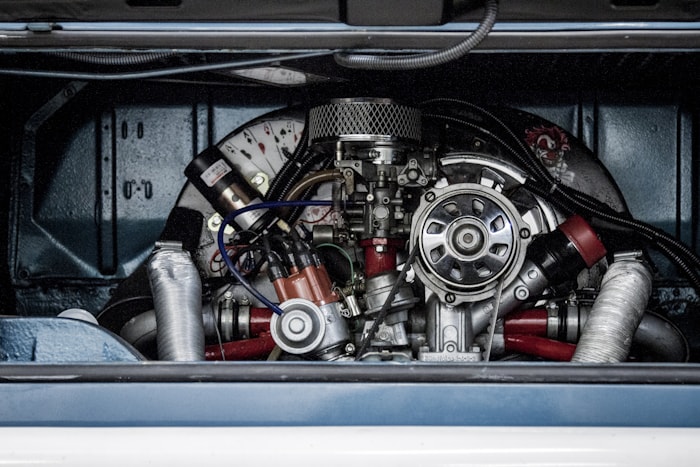
Your fuel system works hand-in-hand with your engine oil system to keep your engine running efficiently. Neglecting it leads to poor performance, hard starts, and misfires.
Fuel Injector Problems and Maintenance
Fuel injectors atomize fuel into the combustion chamber. When they get dirty or fail, your engine struggles. Here’s what to watch for and how to fix it:
- How to tell if fuel injectors are clogged — Rough idle, poor fuel economy, and misfires are the classic signs.
- How to clean fuel injectors without removing them — Using a quality fuel system cleaner through the tank is the easiest DIY approach.
- Can you soak fuel injectors to clean them? — Yes, ultrasonic cleaning by soaking is one of the most effective deep-clean methods.
- Leaking fuel injector — A leaking injector floods the cylinder with fuel, causing rich running conditions, fouled plugs, and potential catalytic converter damage.
- When to replace fuel injectors — Most injectors last 100,000+ miles, but if cleaning doesn’t restore performance, replacement is the answer.
Fuel Pump Issues
The fuel pump delivers pressurized fuel from your tank to the injectors. When it starts failing, you’ll notice hard starts, engine sputtering at high speeds, or stalling under load.
- Fuel pump relay symptoms — The relay is often the first thing to fail; symptoms include a no-start condition with no clicking from the fuel pump.
- Can a bad fuel pump cause misfire? — Yes, insufficient fuel pressure causes lean misfires, especially under heavy acceleration.
- Fuel pump losing prime — If the pump can’t maintain pressure when the engine is off, you’ll experience long crank times on startup.
- How to start a car with a bad fuel pump — Cycling the ignition key several times to prime the system can help in an emergency.
- Replaced fuel pump still having problems? — The issue may be the fuel pump relay, a clogged strainer, wiring fault, or a failing pressure regulator.
- How to check fuel pressure without a gauge — There are DIY methods using a rubber hose to detect pressure, though a proper gauge is always more accurate.
Fuel Quality Matters
Not all gasoline is the same. Shell vs Chevron — both are Top Tier certified fuels with detergent additives that keep injectors and intake valves cleaner than non-Top Tier brands. And if you suspect you’ve filled up with bad gas, learn the bad car gas symptoms to watch for: rough idle, stalling, and difficulty starting are the main red flags.
Air getting into your fuel system is another issue — air in fuel system symptoms include sputtering, loss of power, and hard starting, particularly common in diesel engines.
Engine Overheating: Causes, Consequences & Prevention
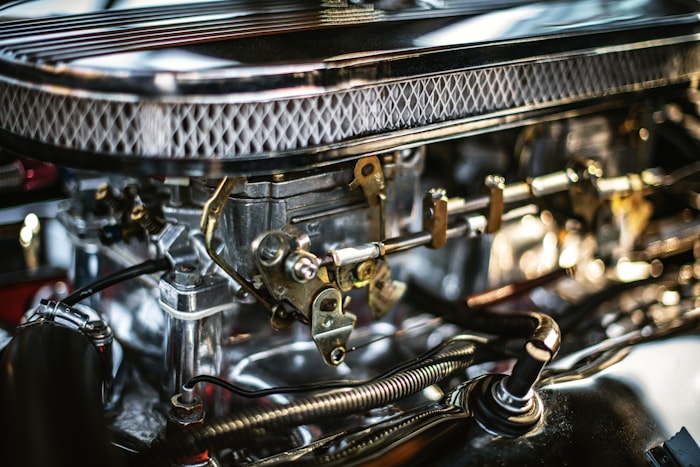
Overheating is one of the most destructive things that can happen to your engine. Oil breaks down faster at high temperatures, seals fail, and in extreme cases the head gasket blows or pistons weld themselves to cylinder walls.
- Engine overheating causes — Low coolant, a failing thermostat, a clogged radiator, or a broken water pump are the most common culprits.
- Engine overheating consequences — Warped cylinder heads, blown head gaskets, and seized pistons are the expensive outcomes of ignored overheating.
- Car overheats in traffic but not on the highway — Usually points to a cooling fan issue; the fan matters more at low speeds when airflow through the radiator is minimal.
- Car overheating in cold weather — Counterintuitive but real; a stuck-open thermostat can prevent the engine from reaching operating temperature and cause other cooling issues.
- Temp gauge goes up and down while driving — An inconsistent temperature gauge often signals a failing thermostat, a low coolant level, or air pockets in the cooling system.
Other Engine Maintenance Essentials
Engine Air Filter
Your engine needs clean air just as much as clean oil. A clogged air filter restricts airflow, reducing power and fuel economy. When to replace your engine air filter depends on your driving environment — dusty conditions require more frequent changes, typically every 15,000–30,000 miles.
Seafoam: Helpful Tool or Engine Risk?
Seafoam is a popular fuel system and crankcase treatment. But can Seafoam damage your engine? The short answer is: it’s unlikely when used as directed, but using too much or applying it incorrectly can loosen years of deposits all at once, potentially clogging oil passages. Use it conservatively.
Washing Your Engine
A clean engine runs cooler and is easier to work on. But can you wash your engine while it’s hot? No — always let it cool first. Thermal shock from cold water hitting hot metal can crack components. And if your car runs rough after washing the engine, water has likely gotten into electrical connectors, sensors, or the air intake — let it dry out and check for water intrusion in the MAF sensor.
Quick Reference: Engine Oil & Fuel System Maintenance Schedule
| Task | Conventional Oil | Synthetic Oil |
|---|---|---|
| Oil change | Every 3,000–5,000 miles | Every 7,500–10,000 miles |
| Oil filter change | Every oil change | Every oil change |
| Engine air filter | Every 15,000–30,000 miles | Every 15,000–30,000 miles |
| Fuel injector cleaning | Every 30,000 miles | Every 30,000 miles |
| Fuel filter replacement | Every 30,000 miles | Every 30,000 miles |
| Coolant flush | Every 30,000 miles | Every 30,000 miles |
Staying on top of these basics is the single most effective way to extend your engine’s life and avoid costly repairs. Bookmark this guide and check back as we continue expanding our coverage of engine oil, fuel systems, and everything in between.

Hi there! I’m Naomi O’Colman. I’ve got years of experience working at an auto repair shop here in Texas under my belt. On top of that, ever since I was a kid I’ve been passionate about the auto industry. Since I’ve joined the team at automotivegearz.com I’ve been enthusiastically sharing my passion and insights with my readers. I’m dedicated to delivering high quality content and helping you stay up to date with the latest automotive trends and products out there!