Your brakes are the single most important safety system on your vehicle. This complete guide covers everything from brake fluid types and master cylinders to squealing brakes, shaking when stopping, and performance brake upgrades — so you always know what’s happening with your braking system and what to do about it.
Table of Contents
Brake Fluid: The Foundation of Your Braking System
Brake fluid is the hydraulic medium that transfers the force from your foot on the pedal to the brake calipers at each wheel. Without clean, correctly-rated brake fluid at the right level, your entire braking system is compromised.
Brake Fluid Types: DOT 3 vs DOT 4
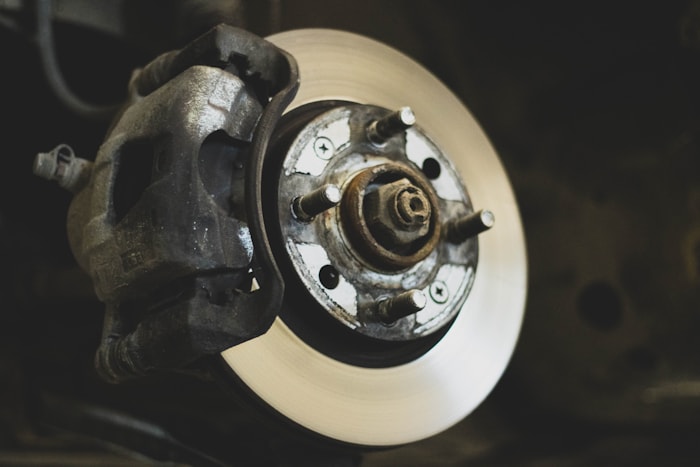
Most passenger vehicles use either DOT 3 or DOT 4 brake fluid — and using the wrong type or mixing them incorrectly can reduce your braking performance. DOT 3 brake fluid is the baseline standard, glycol-based and suitable for most everyday vehicles. DOT 4 brake fluid has a higher boiling point, making it the better choice for performance driving, towing, or vehicles that generate more braking heat. DOT 4 is backward-compatible with DOT 3 systems, but never downgrade from DOT 4 to DOT 3.
When and How to Flush Brake Fluid
Brake fluid is hygroscopic — it absorbs moisture from the air over time. As moisture content rises, the boiling point drops, increasing the risk of brake fade under hard use. Most manufacturers recommend flushing brake fluid every 2 years or 30,000 miles regardless of how it looks. Changing brake fluid is a straightforward DIY job with a vacuum bleeder kit — and one of the highest-value maintenance tasks you can do for brake safety.
Master Cylinder: The Heart of Your Brake System
The master cylinder converts your foot pressure into hydraulic pressure that flows to all four brakes. When it fails, you’ll notice a spongy pedal, brake fluid leaks near the firewall, or a pedal that sinks to the floor under steady pressure.
Our master cylinder brake guide covers the full picture: how it works, symptoms of failure, bleeding procedures, and replacement costs. And if you want a deeper technical dive, everything about the master brake cylinder walks through dual-circuit designs, reservoir maintenance, and when repair vs replacement makes more sense.
Brake Components: Understanding What Stops Your Car
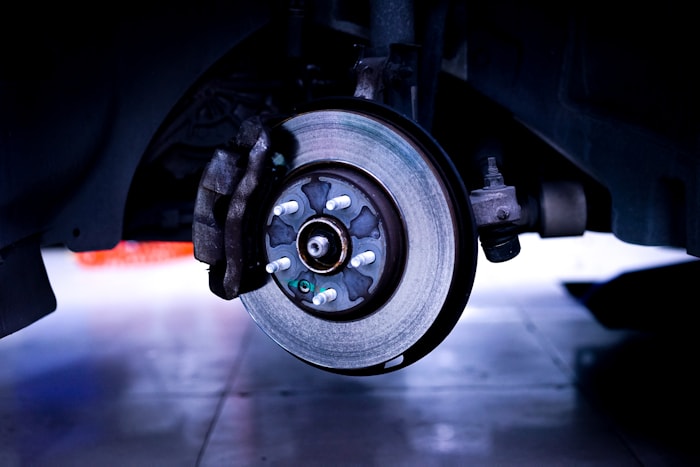
Brake Pedal
The brake pedal is your interface with the entire braking system. Pedal feel — firm, spongy, pulsating, or sinking — tells you a lot about brake system health. A firm pedal that requires more force than usual often points to a failing brake booster. A spongy pedal almost always means air in the brake lines.
Brake Lining
The brake lining is the friction material on both brake pads (disc brakes) and brake shoes (drum brakes). As it wears down, braking performance decreases and you’ll hear the telltale metal-on-metal screeching. Most pads have wear indicators that create a high-pitched squeal when the lining reaches minimum thickness — that’s your cue to replace them immediately.
Brake Lights
Brake lights alert drivers behind you that you’re slowing down — one of the most critical passive safety systems on your vehicle. If they’re not working, you’re a rear-end collision waiting to happen. The brake light switch is the component that triggers the lights when you depress the pedal. Symptoms of a failing brake light switch include lights that stay on constantly, won’t come on at all, or cause issues with cruise control and the push-button start system.
Common Brake Problems and How to Fix Them
Squealing Brakes
Squealing brakes are the most common brake complaint. The cause depends on when the noise happens: squealing only when cold typically means normal morning moisture burning off the rotors (harmless). Squealing every time you brake means worn pads — replace them now. Squealing under light braking can also be glazed pads or rotors from overheating, or low-quality aftermarket pads with insufficient dampening.
Car Shaking When Braking
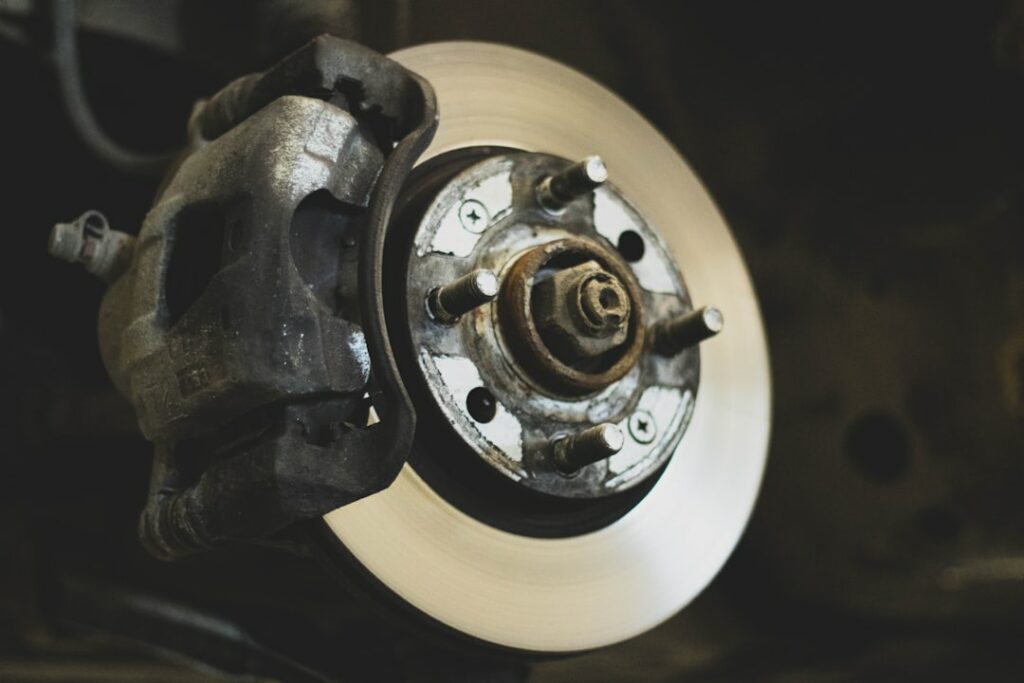
Vibration through the steering wheel or the whole car when braking almost always means warped rotors. Rotors warp when they’re subjected to extreme heat (aggressive braking, towing on grades) or when they cool unevenly. Our guides on car shaking when braking and car brakes shaking cover both the diagnosis and the fix — resurfacing works if there’s enough material left, but replacement is more reliable for high-mileage rotors.
Engine Braking: Jake Brakes Explained
Engine braking is the use of the engine’s compression to slow the vehicle — particularly important for trucks and commercial vehicles on steep grades. Jake brakes (compression release engine brakes) are a specific type of engine braking system used on diesel trucks. They open the exhaust valves at top-dead-center to release compressed air, turning the engine into an air compressor that slows the truck without using the service brakes. Understanding when and how to use engine braking extends brake life significantly on long downhill grades.
Performance Brake Upgrades
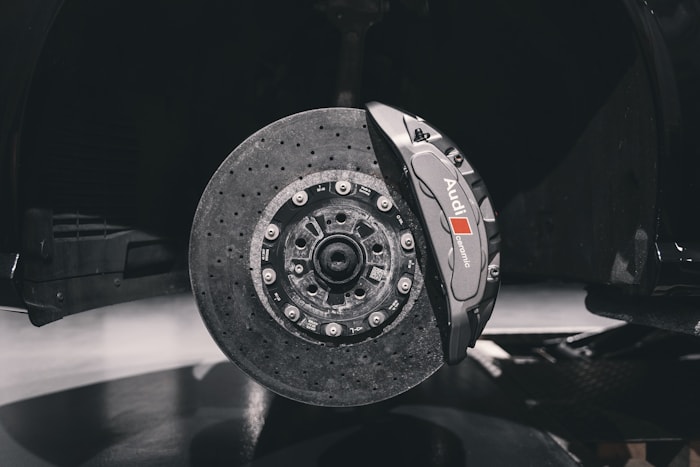
If you tow, track your car, or simply want better stopping power than the OEM setup, performance brake upgrades deliver real results. Two of the most respected names in aftermarket brakes are Wilwood and Power Stop.
- Wilwood brakes — Purpose-built for motorsport and high-performance street use. Wilwood makes everything from calipers and rotors to complete brake kits. Their multi-piston calipers provide more even pad contact and better pedal modulation than stock single-piston sliding calipers.
- Power Stop brakes — A more street-focused performance upgrade that’s plug-and-play for most vehicles. Power Stop’s drilled-and-slotted rotors run cooler than plain rotors, and their ceramic pads produce less dust and noise than semi-metallic compounds.
- Are coated rotors worth it? — Zinc-coated rotors resist surface rust better than bare iron rotors, reducing the annoying rust ring that forms overnight. They’re worth the small price premium for daily drivers that sit outside.
Brake Caliper Customization
Brake calipers are one of the few mechanical components visible through your wheels — making them a popular customization target. Painting brake calipers is a straightforward weekend project. If you want to keep the wheels on the car, painting brake calipers without removing them is possible with careful masking — use high-temp brake caliper paint rated for at least 500°F, as regular paint will bubble and peel from brake heat.
Brake Maintenance Quick Reference
| Component | Replacement Interval | Key Warning Sign |
|---|---|---|
| Brake pads | 25,000–70,000 miles (varies by pad type) | Squealing, reduced stopping distance |
| Brake rotors | 50,000–70,000 miles | Vibration when braking, visible grooves |
| Brake fluid | Every 2 years / 30,000 miles | Spongy pedal, dark/contaminated fluid |
| Brake calipers | 75,000–100,000 miles | Uneven wear, pulling to one side |
| Master cylinder | As needed | Spongy pedal, fluid leak at firewall |
| Brake light switch | As needed | Brake lights always on or not working |
Your brakes don’t fail suddenly — they degrade gradually through warning signs that are easy to catch if you know what to look for. Use this guide as your reference point for keeping your braking system in peak condition.

Hi there! I’m Naomi O’Colman. I’ve got years of experience working at an auto repair shop here in Texas under my belt. On top of that, ever since I was a kid I’ve been passionate about the auto industry. Since I’ve joined the team at automotivegearz.com I’ve been enthusiastically sharing my passion and insights with my readers. I’m dedicated to delivering high quality content and helping you stay up to date with the latest automotive trends and products out there!