Table of Contents
How to Wash Your Car Correctly Without Scratching the Paint
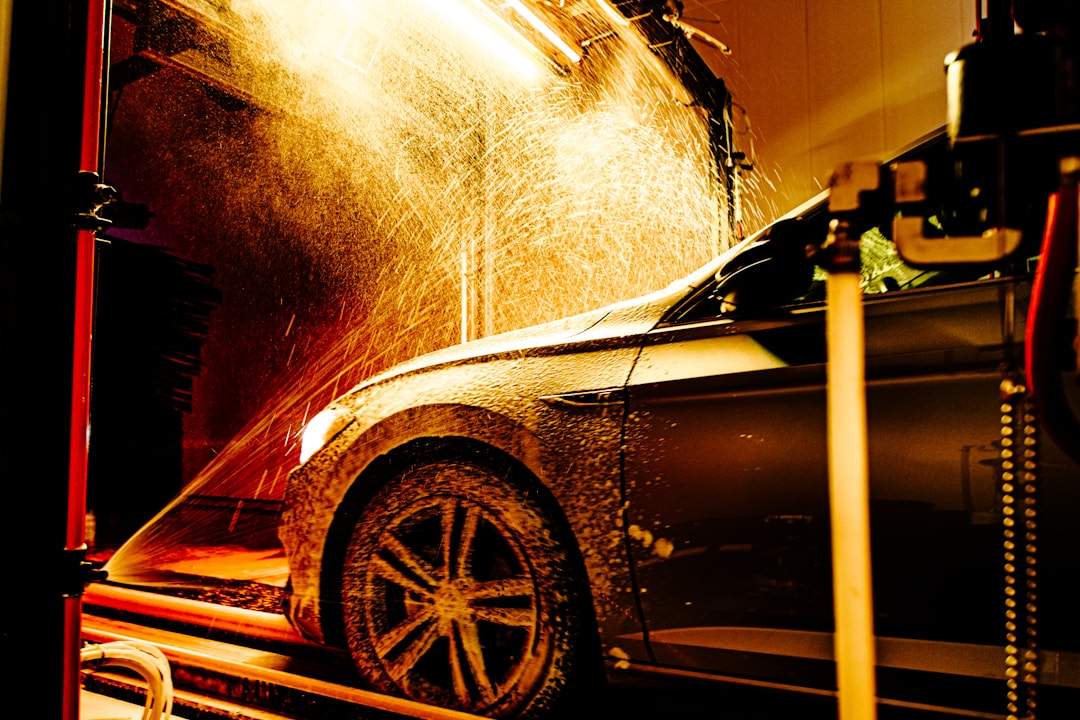
The way you wash your car matters as much as how often. Swirl marks, scratches, and water spots are almost always caused by improper washing technique, not by the car being dirty. Use the right tools and method, and your paint will look better longer.
Car Washing Basics
- How to wash a car without scratching the paint — Use the two-bucket method: one bucket with shampoo, one with clean rinse water. Wash top to bottom (cleanest to dirtiest). Use a microfiber wash mitt, never a sponge. Rinse your mitt in the clean bucket between panels.
- Car wash soap alternatives — In a pinch, dish soap works but strips wax aggressively and should not be used regularly. Baby shampoo is gentler. Hair conditioner actually acts as a temporary water repellent. Dedicated car wash shampoo is always the best choice for paint longevity.
- Best car wash soap — pH-neutral formulas (Meguiar Gold Class, Chemical Guys Honeydew Snow Foam, Adam Polishes Car Wash) clean effectively without stripping protective coatings. Avoid dish soaps labeled as degreasers for regular washes.
- How long does an automatic car wash take? — A basic tunnel wash takes 3-5 minutes. Touch-free washes take 4-7 minutes. The longer question: automatic car washes with brushes cause swirl marks over time. For paint-conscious owners, hand washing is always superior.
- How often to wash your car in winter — Every 10-14 days at minimum in areas with road salt. Salt is highly corrosive and eats through paint and undercoating. Pay special attention to wheel wells, rocker panels, and the undercarriage where salt accumulates.
Washing Black Cars
- How to wash a black car without water spots and scratches — Black paint shows every swirl, scratch, and water spot. Always dry immediately with a high-quality microfiber drying towel (never let air dry). Use a clay bar regularly to remove embedded contaminants before they cause micro-scratches during washing.
- How to keep a black car clean — Apply a spray detailer after every wash to add a thin protective layer. Use a dedicated black car wax or sealant (with light fillers that temporarily hide minor swirls). Park in shade whenever possible; UV oxidation is accelerated on black paint.
- How to protect a black car from scratches and swirls — Paint protection film (PPF) on high-impact areas (hood, fenders, mirrors) is the gold standard. Ceramic coating provides long-term protection with less maintenance than wax. Teach household members proper washing technique to prevent accidental damage.
- Easiest and hardest car colors to keep clean — White and silver hide dirt and swirls best. Black and red show everything. Pearl and metallic finishes are easier than single-stage paints. The easiest color to maintain long-term: silver or light gray.
Scratch, Dent and Rust Repair
Scratch Repair
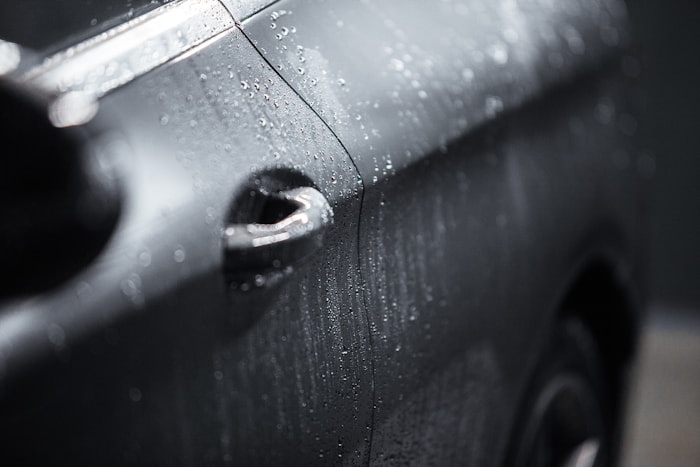
- 3 types of car scratches — Clear coat scratches (superficial, polishable), paint scratches (cut through color layer, require touch-up paint), and deep scratches (to primer or metal, require professional repair). Knowing which type you have determines the fix.
- Should you worry about small scratches on a rental car? — Document every existing scratch with time-stamped photos before driving off the lot. Rental companies must prove you caused the damage. Pre-existing scratches captured in photos cannot be charged to you.
Dent Repair
- Dry ice dent removal: does it work? — The thermal contraction method works on small dents in metal (not plastic). Apply dry ice directly to the dent center; rapid cooling contracts the metal and can pop shallow dents back out. Not effective on creased dents or dents with paint damage.
Rust and Exterior Protection
- Do fender flares make rust worse? — Only if improperly installed. Fender flares that trap moisture against the body panel accelerate rust. Proper installation includes sealing all mounting points and ensuring drainage. Remove flares periodically on older vehicles to inspect the metal underneath.
- How to remove mold from car exterior — Mold on exterior paint is usually surface-level and responds well to a diluted white vinegar solution or a dedicated mold remover. Scrub gently with a soft brush, rinse thoroughly, and apply wax immediately after to seal the cleaned surface.
- 5 tips to protect your car from sun damage — Park in shade or a garage, apply UV-protective wax or ceramic coating, use a car cover for long-term outdoor parking, apply vinyl wrap or PPF to high-exposure areas, and clean bird droppings and tree sap immediately before UV bakes them into the paint.
- Homemade bird poop cleaner for cars — A spray bottle with diluted white vinegar (1:4 ratio) or baking soda dissolved in water neutralizes the acid in bird droppings. Let it soak 30-60 seconds before gently wiping with a damp microfiber cloth. Never scrub dry bird droppings.
Tires, Wheels and Underbody Cleaning
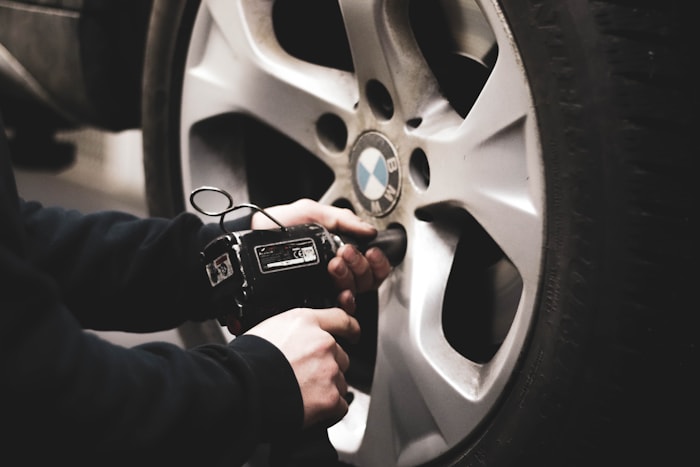
- How to clean car tires — Use a dedicated tire cleaner (not an all-purpose degreaser that can degrade rubber over time). Scrub with a stiff tire brush, rinse, then apply a water-based tire dressing for a natural finish. Avoid petroleum-based dressings that sling onto bodywork when driving.
- How to clean wheel wells — Wheel wells accumulate road grime, tar, and rust. A pressure washer or garden hose removes loose dirt. Degreaser spray and a stiff brush removes baked-on grime. Finish with a rubber and plastic protectant to slow re-contamination.
- How to clean exhaust tips — Chrome exhaust tips: use a dedicated chrome polish and a microfiber cloth in circular motions. For carbon buildup inside the tip, a degreaser on a long-handled brush works well. Steel wool (grade 0000) on chrome is safe for stubborn spots but test in an inconspicuous area first.
- How to clean a catalytic converter — The safest DIY method is using a catalytic converter cleaner poured into the fuel tank. For external cleaning, mild degreaser spray on the heat shield and shield itself (not the cat core). Never use a pressure washer directly on the converter when the engine is hot.
Headliner, Pressure Washers and Specialty Cleaning
- Cleaning the car headliner — Work from front to rear in small overlapping sections. Use a low-moisture upholstery cleaner and a soft microfiber cloth. For stains, a targeted spray and gentle agitation with a soft brush usually works without saturating the headliner fabric.
- How to connect a pressure washer to a water tank — Use a gravity-fed tank positioned above the pump inlet, with a short high-flow hose connecting tank to pump. Most pressure washers need minimum 1 GPM flow at the inlet; a 55-gallon drum elevated 3 feet provides adequate gravity flow for most consumer washers.
- How to increase GPM on a pressure washer — Upgrade to a larger nozzle orifice, use shorter and wider supply hoses, ensure your water source flow rate matches or exceeds the pump rating, and clean or replace the inlet filter screen if partially clogged.
- How to release pressure from a pressure washer — Turn off the engine or motor, then squeeze the trigger wand to release remaining pressure in the lines before disconnecting any hoses or fittings. Never disconnect a pressurized hose.
- Car decoration ideas — From custom emblems and vinyl wraps to LED interior lighting and seat covers, personalization options span every budget. Reversible modifications (magnetic decals, removable vinyl, seat covers) preserve resale value better than permanent changes.

Hi there! I’m Naomi O’Colman. I’ve got years of experience working at an auto repair shop here in Texas under my belt. On top of that, ever since I was a kid I’ve been passionate about the auto industry. Since I’ve joined the team at automotivegearz.com I’ve been enthusiastically sharing my passion and insights with my readers. I’m dedicated to delivering high quality content and helping you stay up to date with the latest automotive trends and products out there!