Table of Contents
Car Vibration: Causes by Speed and Situation
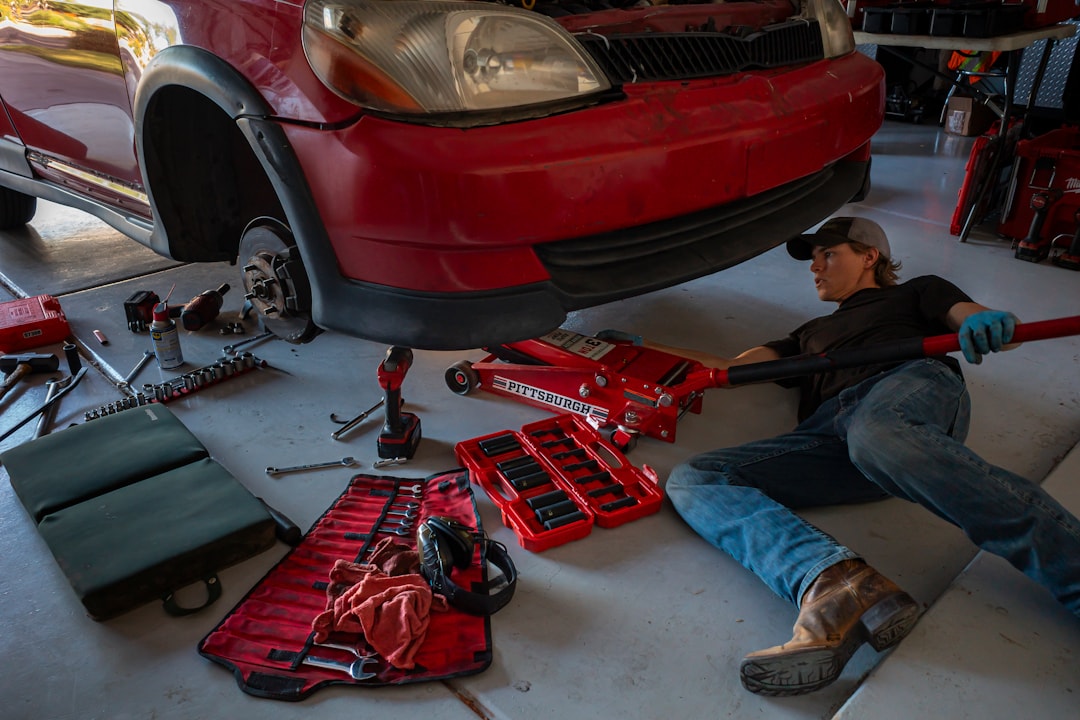
A vibrating, shaking, or noisy car is almost always telling you something specific. The speed at which vibration occurs, whether it happens during braking or acceleration, and which part of the car you feel it in all point to different root causes. This guide breaks it down systematically.
Vibration and Shaking
- Car shakes at 60 mph — The most common cause is wheel balance. Tires go out of balance gradually as weights shift or fall off. A simple $15-20 balance job at any tire shop usually resolves highway-speed vibration completely. If balancing does not help, check for a bent rim or tire with a flat spot.
- Can bad alignment cause vibration? — Misalignment causes uneven tire wear which eventually creates vibration, but alignment itself rarely causes immediate shaking. If your car pulls to one side and vibrates, address alignment and balance together.
- Can over-inflated tires cause vibration? — Yes. Over-inflation reduces the tire contact patch, making the ride harsh and creating vibration on uneven surfaces. Check tire pressure cold, and always use the door jamb sticker specification, not the tire sidewall maximum.
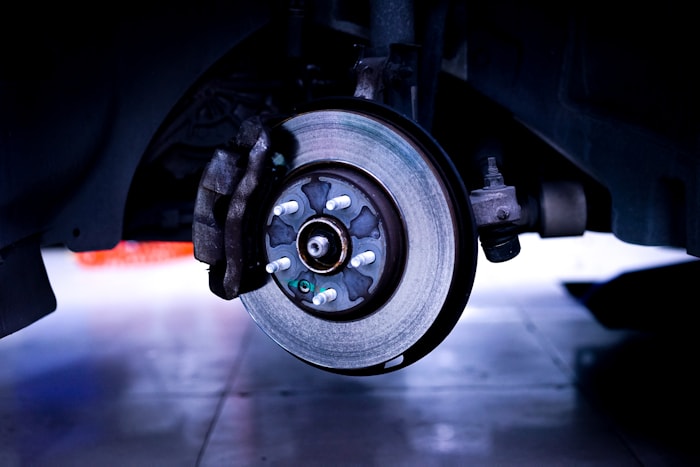
- Car brakes shaking — Brake pedal vibration when stopping points directly to warped rotors. Heat cycles from repeated hard braking cause rotors to develop thickness variations. Resurfacing works on mild warping; replacement is needed for severe cases.
Suspension System
- How to soften car suspension — The most effective ways: replace shocks and struts with comfort-tuned units, switch to tires with more sidewall height (higher aspect ratio), and reduce tire pressure slightly within safe limits. Aftermarket sway bar end links and bushings also affect ride quality significantly.
- Does alignment affect ride height? — Standard alignment adjustments do not change ride height. However, camber adjustment can visually change how the wheel sits in the wheel well. Ride height changes come from springs, struts, or control arm positioning.
- Aftermarket steering wheel with airbag — Most aftermarket steering wheels eliminate the airbag, which is both a safety issue and a legal issue in most states. If you replace the steering wheel, the airbag warning light will illuminate and the SRS system will be disabled. A steering wheel hub adapter with a compatible airbag is available for some vehicles.
Steering and Noise
- Car makes noise when turning — A clicking or popping sound when turning at low speed is almost always a worn CV axle joint. A groaning sound that changes with speed points to a worn wheel bearing. Both are safety-critical and should be repaired promptly.
- How to reduce wind noise in car — Most wind noise comes from door seals, window seals, or mirror housings. Check for gaps in door weatherstripping by shining a flashlight inside with the door closed at night. Replace worn seals, and consider aerodynamic mirror caps if mirror wind noise is the culprit.
- Common causes of drive shaft breakage — Worn U-joints, impact damage from off-road use, corrosion on the yoke, and severe imbalance are the main causes. A vibration that worsens with acceleration and is accompanied by a clunking noise is a classic driveshaft symptom.
- What happens if your drive shaft breaks while driving — On rear-wheel drive vehicles, the car will immediately lose power to the rear wheels and the driveshaft can drop and hit the road at speed, causing loss of control. On front-wheel drive, a broken axle shaft usually just disables drive to that wheel. Never drive with a known driveshaft issue.
- What causes a crankshaft seal to leak — Age and heat cycling harden the rubber seal over time. High crankcase pressure from a clogged PCV valve accelerates failure by pushing oil past the seal. Fix the PCV system first, then replace the seal, or the new seal will fail quickly too.
Brakes, Calipers and Related Systems
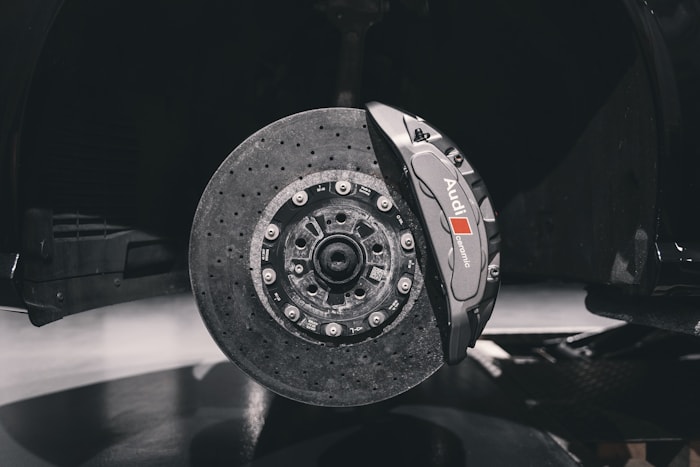
- Seized caliper symptoms — A seized caliper keeps the brake pad pressed against the rotor constantly, causing pulling to one side, a burning smell after driving, a hot wheel compared to the others, and premature brake wear on one corner. Do not ignore this — it is a serious safety issue.
- Can you drive with a loose caliper? — No. A loose caliper can detach completely at speed, causing the brake to drag, the wheel to lock, or the caliper to contact the wheel. This is an immediate tow-it situation.
- How to paint brake calipers without removing them — Use high-temp caliper paint (not regular spray paint which will peel from heat). Clean the caliper thoroughly with brake cleaner, mask off the rotor, pads, and brake lines, and apply 2-3 thin coats. Cure time is faster if you drive the car gently for 15-20 minutes after painting.

Hi there! I’m Naomi O’Colman. I’ve got years of experience working at an auto repair shop here in Texas under my belt. On top of that, ever since I was a kid I’ve been passionate about the auto industry. Since I’ve joined the team at automotivegearz.com I’ve been enthusiastically sharing my passion and insights with my readers. I’m dedicated to delivering high quality content and helping you stay up to date with the latest automotive trends and products out there!