Table of Contents
Car Seat Cleaning: Fabric, Leather and Stain Removal
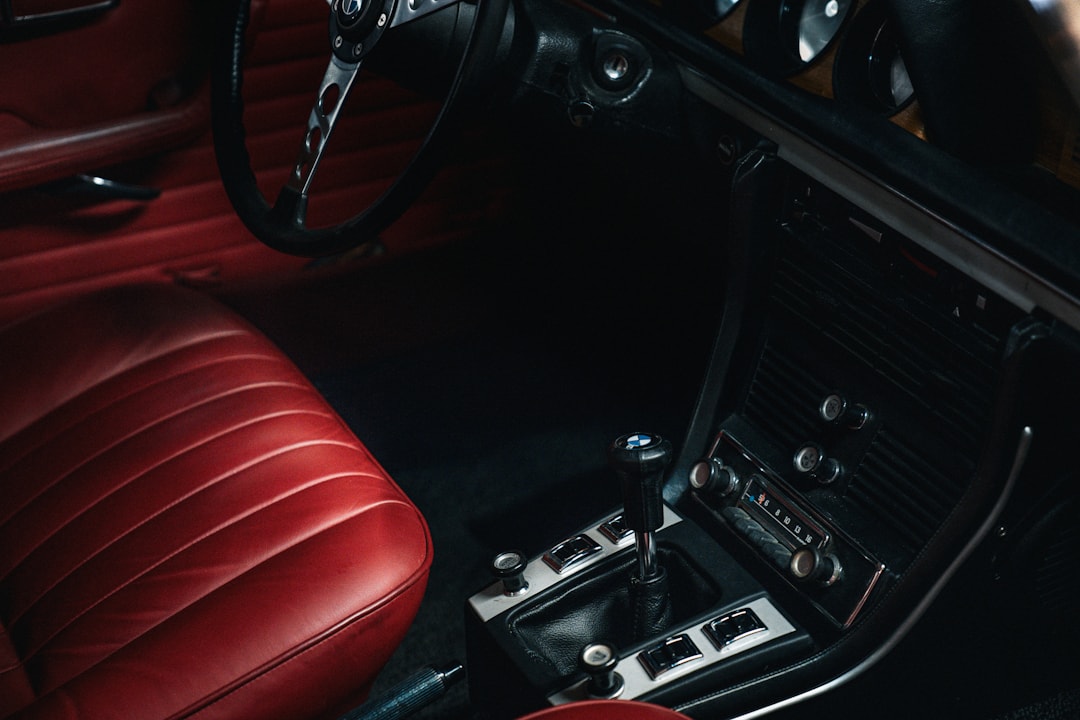
Car seats take the most abuse of any interior surface. Food spills, sun fade, sweat, pet hair, and general wear all degrade seats faster than any other part of the interior. Knowing how to clean each material type correctly prevents permanent damage and keeps your interior looking new.
Fabric Seats
- How to get stains out of car seats — Act fast. Blot (never rub) liquid spills immediately. For set-in stains, a mix of dish soap, baking soda, and warm water works on most fabric stains. For oil-based stains, a degreaser like Simple Green diluted 10:1 is more effective.
- 303 Fabric Guard vs Scotchgard — Both protect fabric seats from stains, but 303 Fabric Guard is safe for car use (will not affect airbag deployment or cause fading) and offers better UV protection. Scotchgard is fine for indoor upholstery but not ideal for sun-exposed car interiors.
- Should you Scotchguard your car? — For fabric seats in a family vehicle used by kids and pets, yes. Fabric guard makes cleaning faster and prevents stains from setting. Reapply after every deep clean.
- How to dry car seats in winter — Wet seats in cold weather are a mold risk. Run the heater on full, park in direct sunlight when possible, and use a wet-dry vacuum to extract as much moisture as possible before air drying.
Leather Seats
- How to seal leather car seats — After cleaning with a pH-neutral leather cleaner, apply a leather conditioner then a leather sealant or ceramic coating formulated for leather. This prevents cracking, fading, and makes future cleaning easier.
- Black vs tan leather interior — Black leather hides dirt better but gets hotter in direct sun and shows pet hair more. Tan (beige) leather shows stains more readily but stays cooler and looks lighter in the cabin. Both require conditioning every 3-6 months.
- How to safely remove front car seats for cleaning — Disconnect the battery first to avoid triggering airbag sensors connected to seat wiring. Remove the seat bolt covers, unbolt the four mounting bolts, disconnect the wiring harness, and slide the seat out. Label all connections before disconnecting.
Seat Belts
- How to clean car seat belts — Pull the belt fully out and clamp it with a binder clip so it does not retract. Scrub with a soft brush and upholstery cleaner, then wipe clean with a damp cloth. Never use bleach or harsh chemicals that can degrade the belt webbing.
- Can you pressure wash car seat belts? — Not recommended. High-pressure water forces moisture into the retractor mechanism, causing rust and malfunction. Hand washing with a soft brush is the correct method.
Dashboard, Air Vents and Interior Surfaces
- How to clean car air vents — Use a small foam paintbrush or a dedicated vent cleaning brush to dislodge dust from each slat. Follow with a can of compressed air to blow out remaining debris. A small amount of interior detailer on a microfiber cloth prevents static that attracts dust.
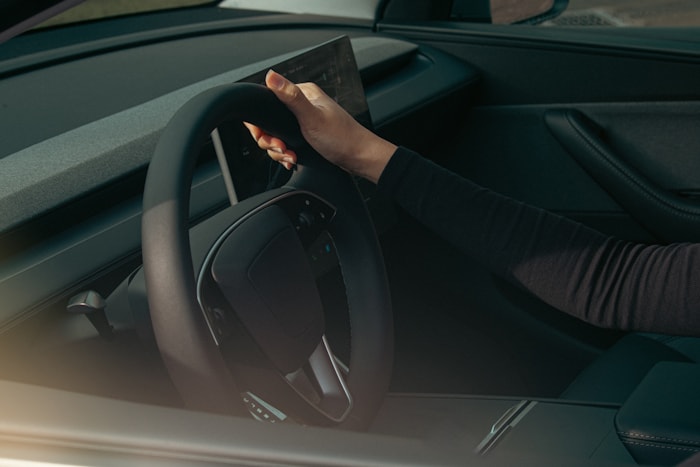
- How to clean a steering wheel: leather, wood and plastic — Use a pH-neutral leather cleaner for leather wrapped wheels (never alcohol, which dries and cracks leather). For plastic, interior all-purpose cleaner works. For wood trim, use a dedicated wood polish to prevent cracking and maintain the finish.
- How to clean between car seats and center console — A foam paintbrush, a silicone keyboard cleaning tool, or a compressed air can are the best tools for the narrow gap. A rubber glove pulled across the surface creates static that grabs crumbs and hair effectively.
- How to clean car interior roof (headliner) — The headliner is the most delicate interior surface. Use a foam upholstery cleaner and a soft brush, working in small circles. Never saturate the headliner; excess moisture dissolves the adhesive that holds the foam backing and causes sagging.
Carpets, Floor Mats and Odor Removal
- How to deep clean car carpets without an extractor — Vacuum thoroughly first, then apply an upholstery shampoo, work it in with a stiff brush, and blot up the foam with clean towels. Multiple rounds may be needed for heavily soiled carpet. A wet-dry vac extracts significantly more moisture than towels.
- How to dry out a car interior — After flooding or heavy rain intrusion: remove floor mats and seat cushions if possible, run the defroster and heat at maximum, place desiccant packs throughout the cabin, and use a wet-dry vac to extract standing water. Mold starts growing within 24-48 hours in wet carpet.
- How to clean car pedals and footrest — Rubber pedal covers collect a unique mix of dirt, rubber transfer, and shoe polish. A stiff brush and all-purpose cleaner works on rubber. For aluminum pedals, use a non-abrasive metal polish to restore shine without scratching.
- TuxMat vs WeatherTech floor mats — TuxMat provides laser-measured coverage that extends up the door sill, offering more complete protection. WeatherTech is more widely available and fits most vehicles. For maximum spill protection in snowy climates, TuxMat wins.
- How to get rid of mildew smell in car AC — The smell comes from mold growing on the evaporator core. Spray an AC evaporator cleaner through the fresh air intake with the AC running and windows open. For severe cases, a professional AC cleaning with antimicrobial foam is needed.
- How to remove sunscreen from car interior — Sunscreen leaves an oily residue that standard cleaners struggle with. Use a degreaser (diluted Simple Green or similar) on fabric, and a dedicated leather cleaner on leather. Blot, do not rub, to prevent spreading.
Professional Detailing Tools and Checklist
- Complete car detailing checklist — The professional order: vacuum everything first, then clean hard surfaces top to bottom, then seats, then carpet, then glass last. Never clean glass first as overspray from other products lands on it during the rest of the job.
- Best air compressor size for mobile auto detailing — A 6-gallon pancake compressor works for blowing out vents and crevices. For running air tools (DA polisher, air buffer), a 20-30 gallon unit with at least 5 CFM at 90 PSI is needed.

Hi there! I’m Naomi O’Colman. I’ve got years of experience working at an auto repair shop here in Texas under my belt. On top of that, ever since I was a kid I’ve been passionate about the auto industry. Since I’ve joined the team at automotivegearz.com I’ve been enthusiastically sharing my passion and insights with my readers. I’m dedicated to delivering high quality content and helping you stay up to date with the latest automotive trends and products out there!