Protecting your car’s paint is one of the smartest investments you can make. A good paint protection strategy keeps your vehicle looking newer for longer, preserves resale value, and shields the clearcoat from UV damage, bird droppings, tree sap, and road contaminants. This guide covers the full spectrum — from basic car wax to professional ceramic coatings — so you can choose the right protection level for your needs and budget.
Table of Contents
Ceramic Coating: The Gold Standard of Paint Protection
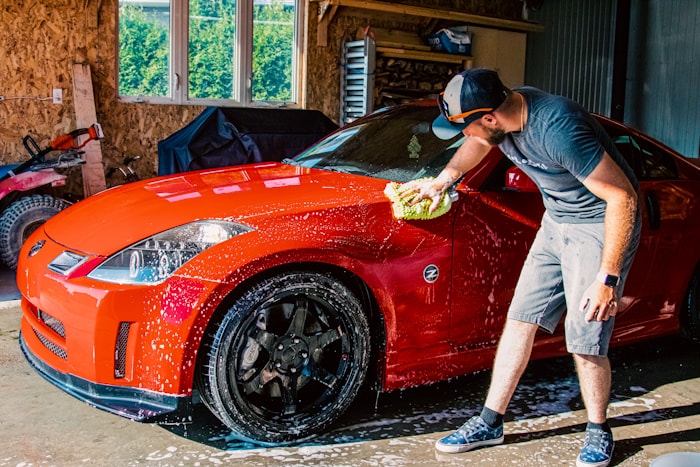
Ceramic coating is a liquid polymer that chemically bonds to your car’s clearcoat, creating a semi-permanent layer of protection that wax simply can’t match. Unlike wax (which sits on top of the paint and wears off), ceramic coating becomes part of the surface.
Benefits of Ceramic Coating
The 5 key benefits of ceramic coating that make it worth the investment: superior UV protection, hydrophobic water-beading, resistance to chemical etching, easier cleaning, and a deep gloss finish that lasts years instead of weeks. If you’re wondering how to tell if your car already has it, our guide on how to tell if your car has ceramic coating covers the water bead test and other reliable methods.
Ceramic Coating vs Glass Coating
These terms are often used interchangeably but they’re not identical. Glass coating vs ceramic coating: glass coatings use SiO2 (silicon dioxide) nanotechnology and are technically a subset of ceramic coatings, but they tend to be harder and more brittle. Standard ceramic coatings offer more flexibility and are generally better for daily drivers. And if you’re asking how long glasscoat lasts — 3 to 5 years for a professionally applied coating under normal conditions.
Common Ceramic Coating Questions
- Does ceramic coating prevent water spots? — It significantly reduces them but doesn’t eliminate them. Water spots form from mineral deposits in water, not from the water itself — even coated cars need drying after washing in hard water areas.
- Can you clay bar ceramic coating? — Yes, but use a fine-grade clay bar and a dedicated ceramic coating lubricant. Aggressive clay will scratch the coating.
- How to decontaminate ceramic coating — Iron fallout removers and pH-neutral decontamination sprays are safe. Avoid acidic or alkaline wheel cleaners on coated surfaces.
- Can you use ceramic coating on matte paint? — Yes, but use a matte-specific formula. Standard ceramic coatings can add gloss that ruins the matte finish.
- Can you apply ceramic coating over or under wax? — Never over wax — the coating won’t bond properly. Apply coating on bare, properly prepared paint. Wax can be used on top of a cured ceramic coating to boost hydrophobics.
- How to remove ceramic coating — Machine polishing with a cutting compound is the only reliable method. Chemical removers don’t effectively break down a properly cured coating.
- Is RV ceramic coating worth it? — Absolutely, especially for white or light-colored RVs that sit in UV-heavy climates. A coating protects against oxidation and makes the massive surface area much easier to wash.
Windscreen Coatings: Rain Repellency for Glass
Windscreen coatings apply the same hydrophobic principle to glass. At highway speeds, rain beads up and blows off the windshield without wipers — a genuine safety benefit in heavy rain. Do car windshield water repellent coatings work? Yes, but the quality varies enormously between brands. Products like Rain-X and Aquapel are proven; cheap alternatives wash off quickly.
Car Wax: The Classic Paint Protectant
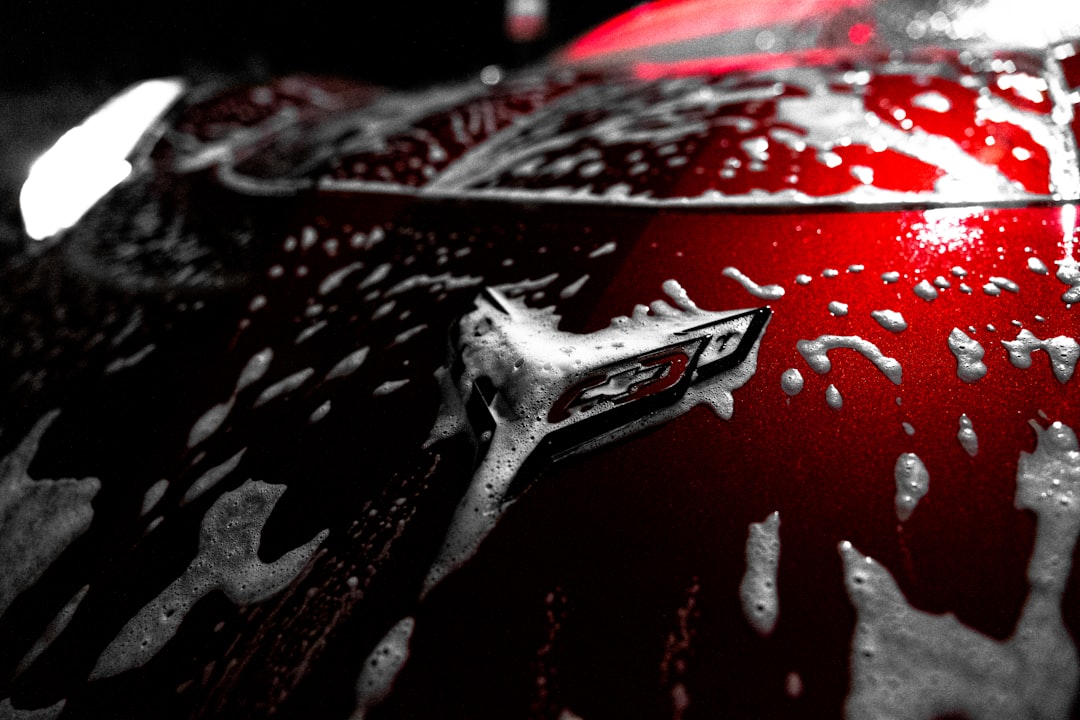
Wax has been protecting car paint for over a century. It’s less durable than ceramic coating but far cheaper, easier to apply, and still the right choice for many drivers — especially those who enjoy detailing their car as a hobby.
Types of Car Wax
- Carnauba wax vs synthetic wax — Carnauba delivers the deepest, warmest gloss (especially on dark colors) but lasts only 4-8 weeks. Synthetic wax (polymer sealant) lasts 3-6 months and is more resistant to washing, heat, and UV — better protection, less visual pop.
- Spray wax vs paste wax — Spray waxes are faster and great for maintenance between full wax jobs. Paste waxes last longer and build more protection per coat.
- CarGuys Hybrid Wax Sealant review — A popular spray wax/sealant hybrid that combines carnauba warmth with polymer durability.
- Turtle Wax Ice Spray Wax review — A solid entry-level spray wax for maintenance washing.
- Car wax with UV protection — All waxes offer some UV protection, but look for synthetic blends with UV inhibitors for better sun protection in hot climates.
Wax Application Tips
- How many layers of wax? — 2-3 thin coats beats one thick coat. Let each layer cure before applying the next.
- How long does it take to wax a car? — Hand waxing a full car takes 2-4 hours. Machine waxing cuts this to 45-90 minutes.
- How to wax with an electric buffer — Use a foam finishing pad at low speed for wax application; a microfiber pad for removal. Never use a wool cutting pad with wax.
- How much does car wax cost? — From $10 spray waxes to $200+ professional-grade carnauba pastes. Mid-range products ($20-50) offer the best value for most owners.
- How to remove old car wax — Use an isopropyl alcohol (IPA) wipe-down or a dedicated wax remover before applying a new coat. Never wax over old, oxidized wax.
- Can you use boat wax on a car? — Yes, many boat waxes work on car paint and are formulated for UV resistance. Just confirm they’re paint-safe and not designed only for gel coat.
- How to wash car wax out of rags — Hot water, dish soap, and a pre-treatment soak. Never wash wax rags with regular laundry or you’ll contaminate your clothes.
Paint Correction: Polish and Compound
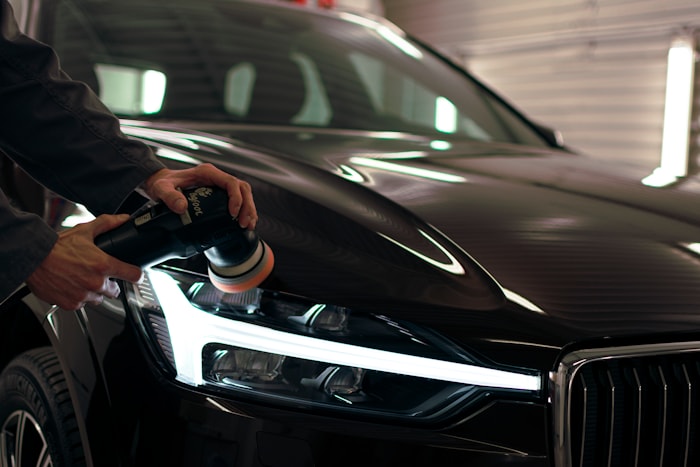
No amount of wax or ceramic coating hides scratches, swirl marks, or oxidation. Paint correction removes surface imperfections before protection is applied — it’s the difference between protecting good paint and sealing in damage.
- Polishing vs compounding — Compound cuts deeper and removes heavier defects (deep scratches, oxidation). Polish refines after compounding, removing fine swirl marks and haze. Always finish with the least aggressive product that does the job.
- Is it necessary to polish before waxing? — Not every time, but if the paint has swirl marks or dullness, polishing first dramatically improves the final result.
- How often to polish your car — Most detailers recommend 1-2 times per year maximum. Over-polishing thins the clearcoat over time.
- How often to machine polish — Machine polishing removes more material per pass than hand polishing. Keep track of your polishing history and clearcoat thickness to avoid cutting through.
- Using a drill to polish your car — A drill with a foam pad attachment works but lacks speed control and can burn the paint if held too long in one spot. A proper dual-action polisher is safer.
Paint Damage: What Damages Car Paint and How to Fix It
Understanding what damages paint helps you avoid it — and fix it when it happens.
- 9 types of car paint damage — From UV oxidation and acid rain etching to bird droppings and tree sap, each type requires a different approach to repair.
- Bleach on car paint — Highly damaging. Bleach strips wax, attacks clearcoat, and can permanently etch paint if left on. Rinse immediately with water if contact occurs.
- Does toothpaste damage car paint? — Non-gel toothpaste is a mild abrasive that can actually remove light scratches — the same principle as a finishing polish. Don’t use gel toothpaste or leave it on colored paint surfaces.
- Vaseline on car paint — Petroleum jelly is sometimes used to protect chrome from rust but should never be applied to painted surfaces. It softens clearcoat over time.
- Does whipped cream damage car paint? — The sugar and acid can etch paint if left to dry in the sun. Rinse immediately and wash normally.
- Can you use Simple Green on car paint? — Diluted Simple Green is paint-safe, but concentrated or undiluted use can strip wax and potentially damage clearcoat. Always dilute per the label and rinse thoroughly.
- Do dealerships fix paint chips? — Yes, but rarely for free unless it’s a warranty claim. Touch-up paint, rock chip repair kits, and paint protection film are better DIY options for minor chips.
Paint Protection Quick Reference
| Method | Durability | Cost | Best For |
|---|---|---|---|
| Spray wax | 4–8 weeks | $10–30 | Quick maintenance, frequent washers |
| Paste wax (carnauba) | 2–3 months | $15–50 | Show-car depth of gloss |
| Polymer sealant | 4–6 months | $20–60 | Daily drivers wanting durability |
| Ceramic coating (DIY) | 1–3 years | $50–150 | Committed detailers |
| Ceramic coating (pro) | 3–7 years | $500–2,000 | New cars, long-term protection |
The right choice depends on how much time you want to spend maintaining your car and how long you plan to keep it. Whatever level of protection you choose, consistent washing and paint decontamination will always deliver more benefit than any single product.

Hi there! I’m Naomi O’Colman. I’ve got years of experience working at an auto repair shop here in Texas under my belt. On top of that, ever since I was a kid I’ve been passionate about the auto industry. Since I’ve joined the team at automotivegearz.com I’ve been enthusiastically sharing my passion and insights with my readers. I’m dedicated to delivering high quality content and helping you stay up to date with the latest automotive trends and products out there!